Exhaust pipe size: why bigger isn't always better
A bigger pipe flows more at high RPM but can soften low-end response. How we choose pipe diameter for your engine and the way you drive.
· 2 min read · VYPR Performance, North York
"Go as big as possible" is common advice, and it isn't always right. As we explained in the scavenging effect, pipe size changes where the exhaust works best.
The rule of thumb
Bigger pipes generally scavenge better at high RPM. Smaller pipes are more efficient at low RPM. Too big for the engine and you can lose some low-end response.
How we choose
- Engine size and whether it's turbocharged.
- Current and planned power: a Stage 2 or 3 tune changes the answer.
- How you drive: daily, highway, track.
- What fits under the car.
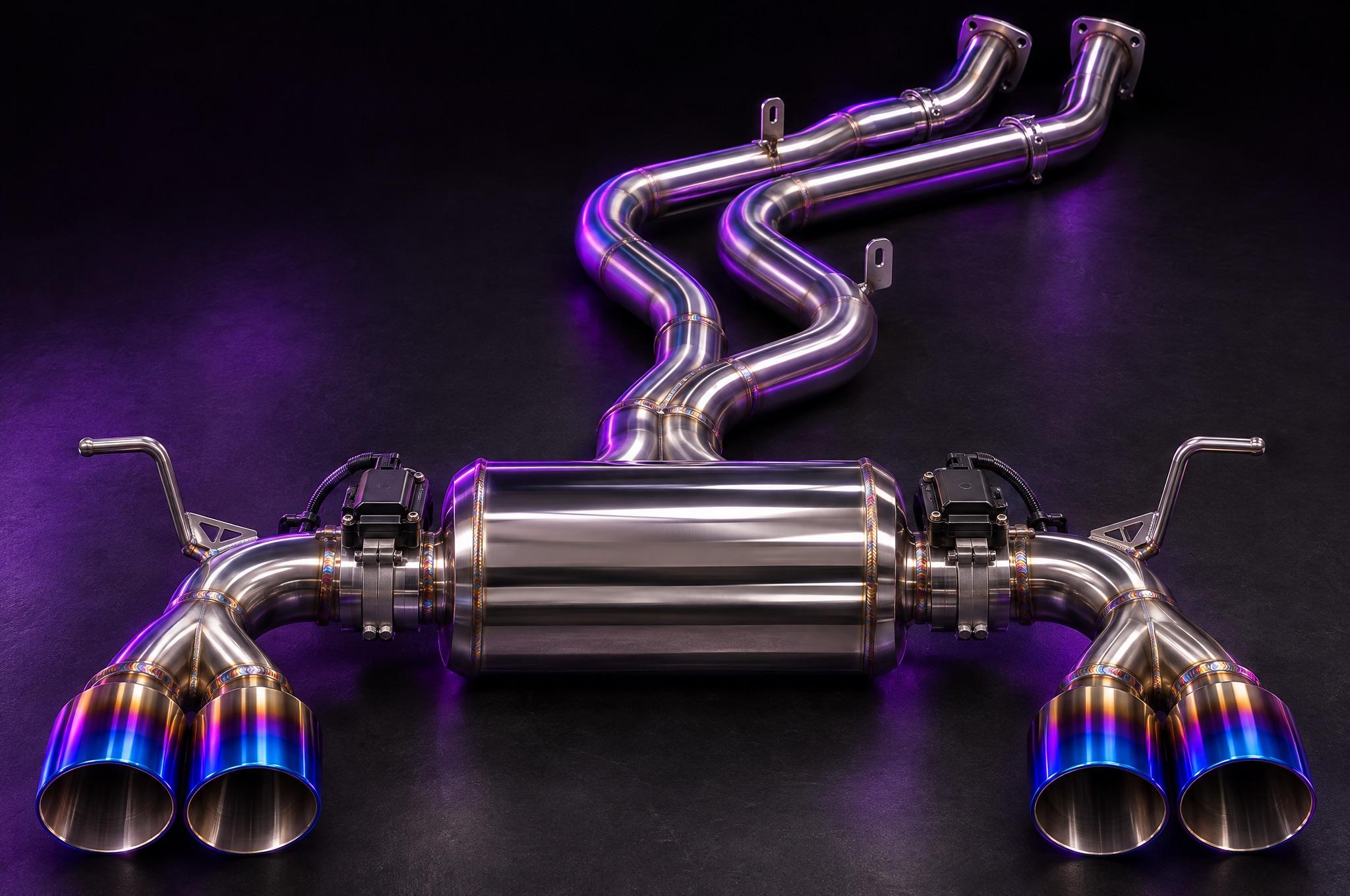
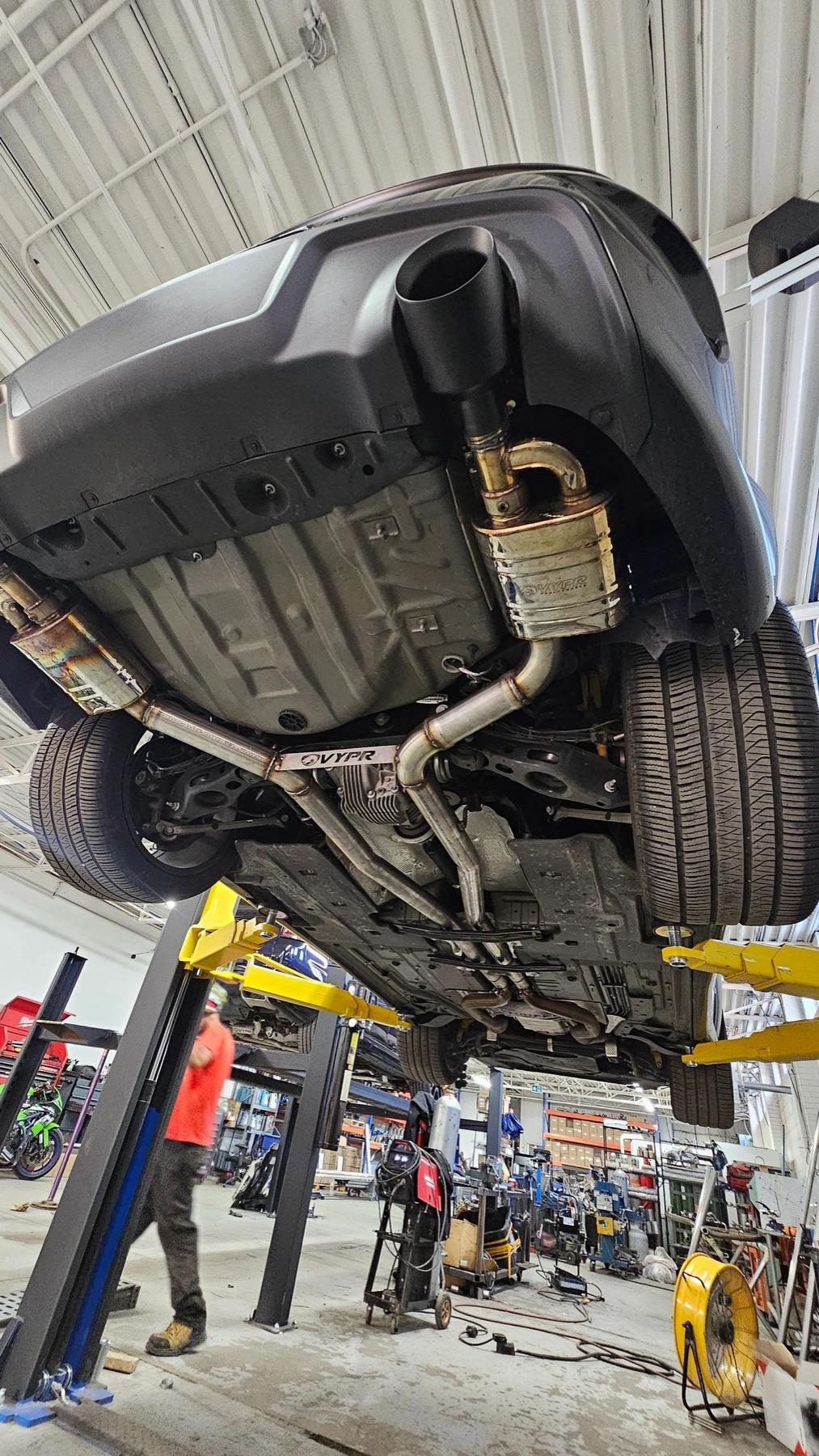
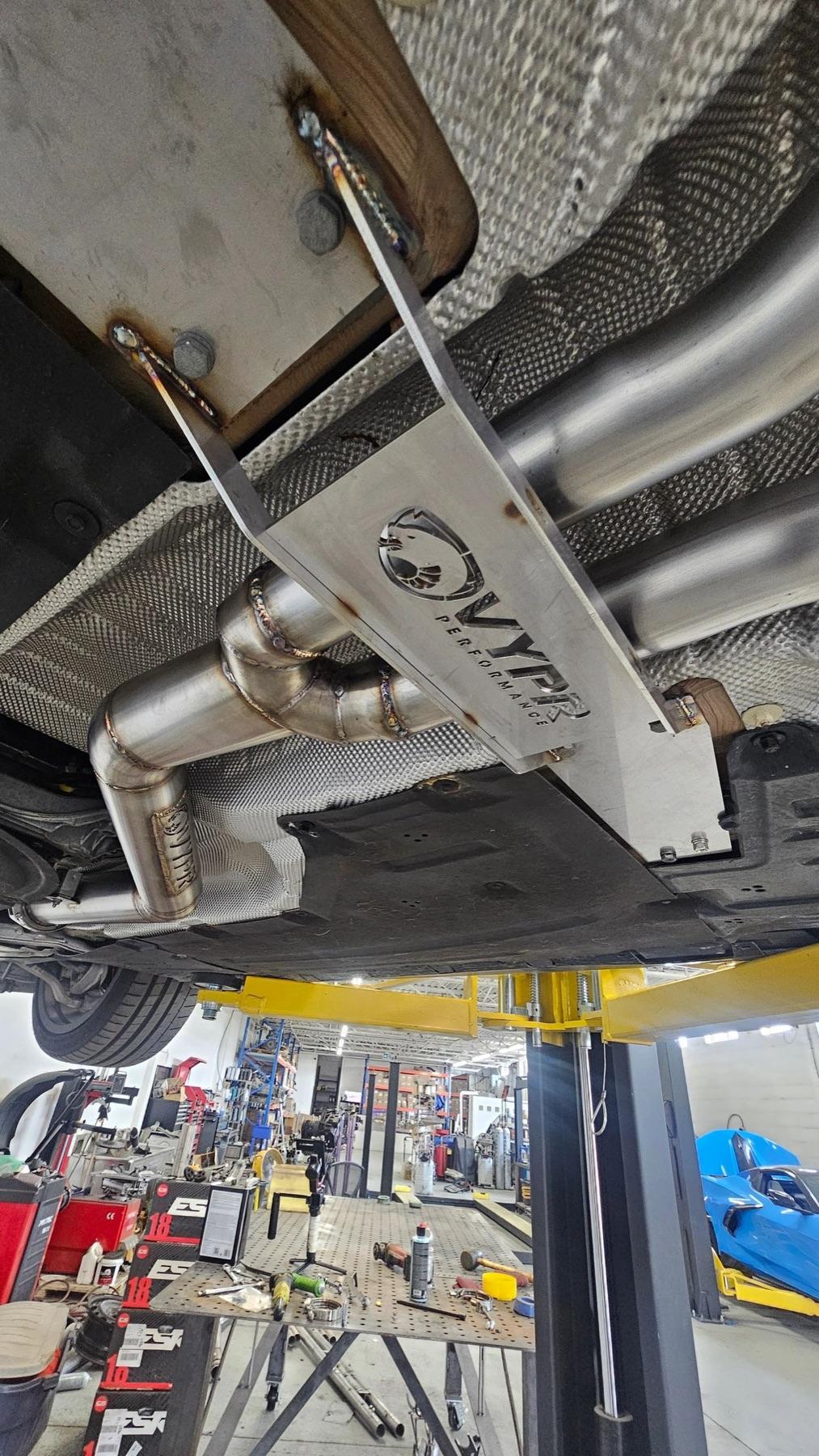
For example, the 2021 Supra in our photos runs a 3.5-inch TIG-welded system, which suits a turbo engine making real power. A naturally aspirated daily might be better with less. Ask us.