Skip to content
VYPRPerformance

Why a downpipe needs a tune

Fitting a downpipe without a tune usually means a check engine light and wasted potential. What the tune does and why the two go together.

· 2 min read · VYPR Performance, North York
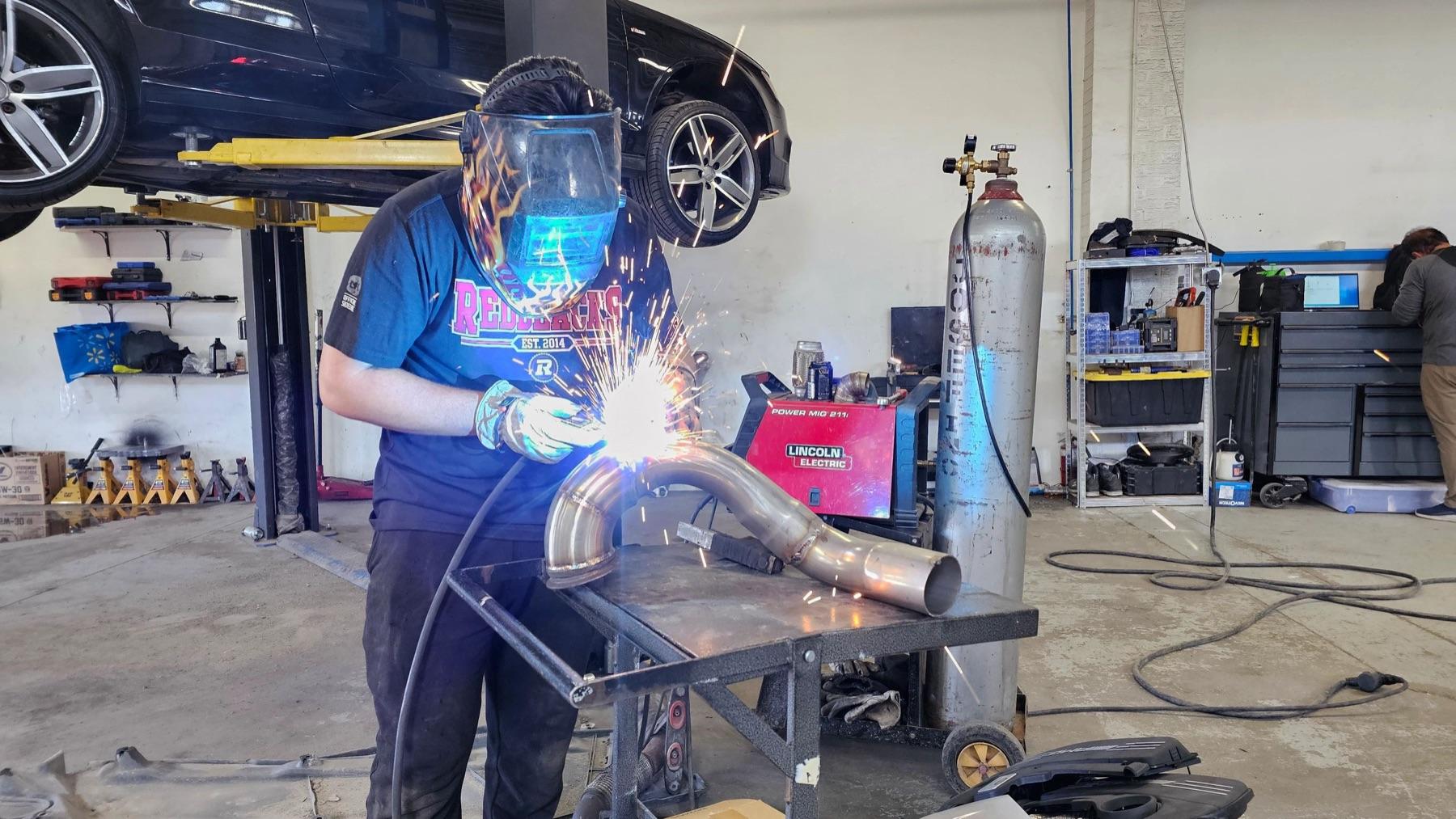
A custom stainless downpipe on the bench

A downpipe on its own frees up flow. But modern cars are full of sensors, and the ECU expects the factory setup.

What goes wrong without a tune

  • The check engine light comes on, because the sensors after the converter see something different.
  • The car may run poorly or limit power to protect itself.
  • You don't get most of the gain you paid for.

What the tune does

It tells the ECU the engine can now flow more air, adjusts fuel and timing to use it, and keeps the warning lights off. That's how a downpipe and tune together can unlock 50 to 100 horsepower on turbo cars.

Read the full downpipe post.
All posts
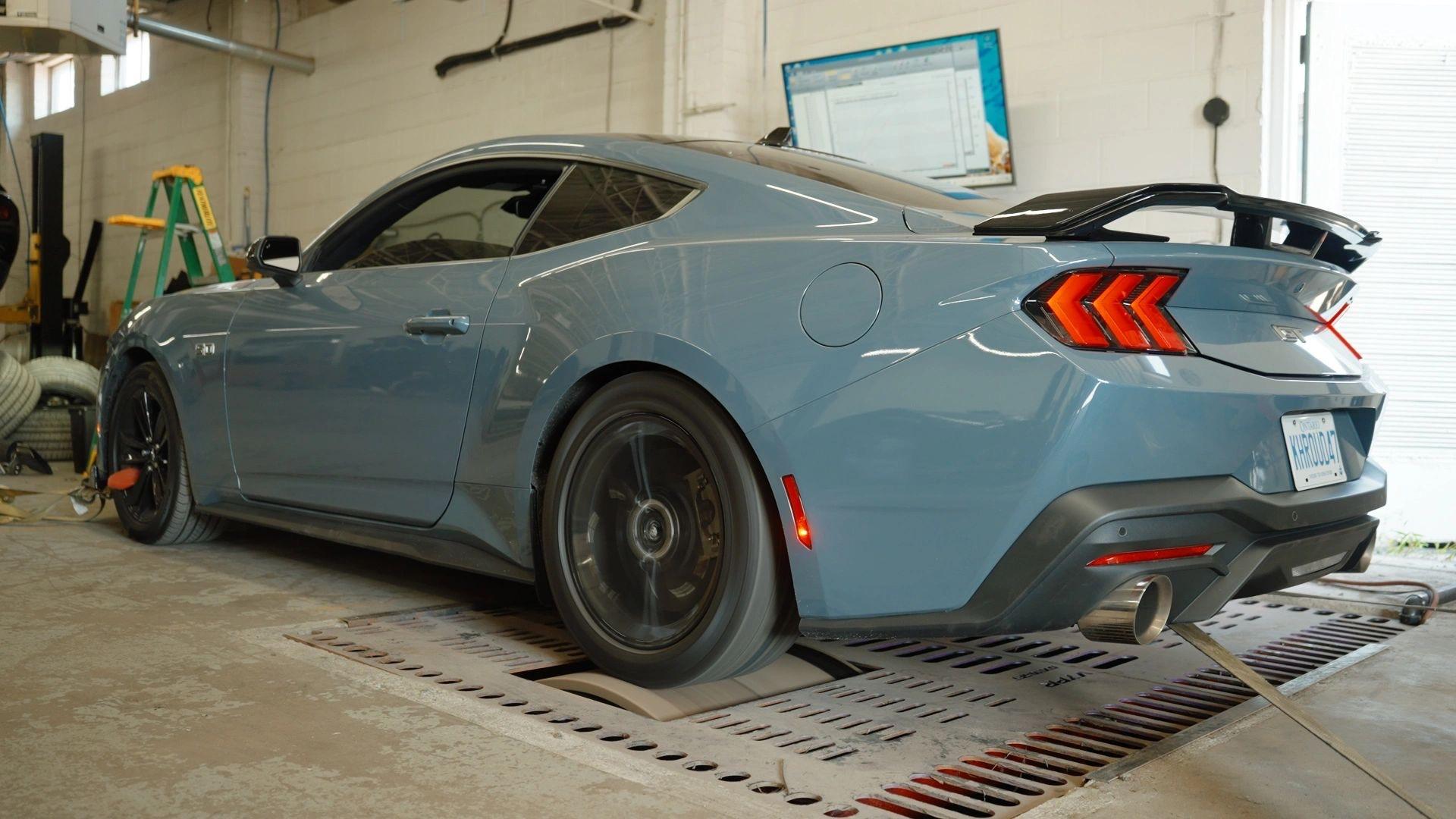
  • A car on the dyno ready for a tuning sessionTuning

    Before you tune: a pre-tune checklist

    A tune makes more power, so the car needs to be healthy first. What to check before a Stage 1, 2 or 3 tune so the session goes smoothly.

    · 2 min read

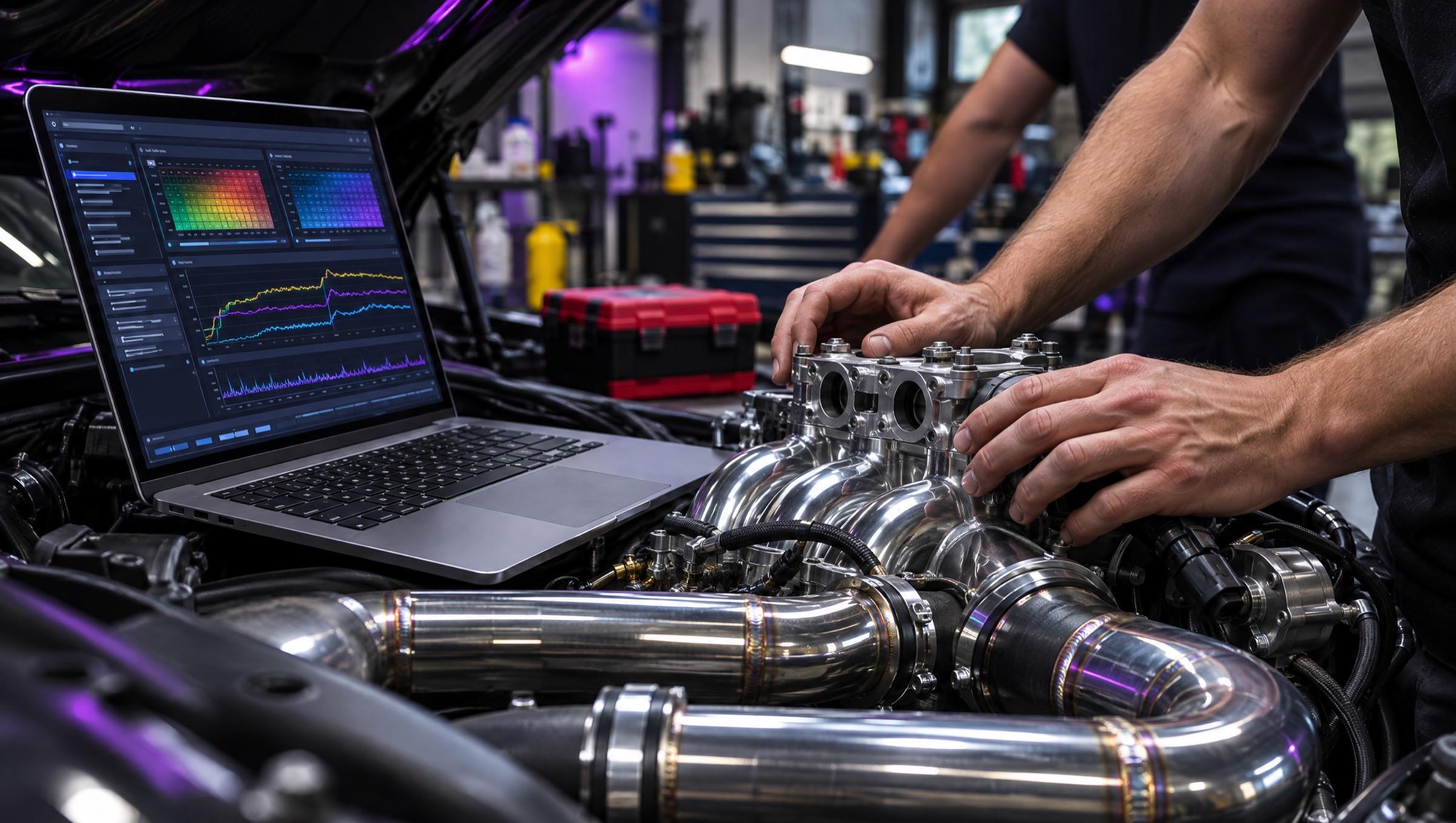
  • A laptop with tuning maps beside an engine bayTuning

    Tuning and check engine lights

    Why modifications trigger the check engine light, how a proper tune handles it, and when a warning light means something actually needs fixing.

    · 2 min read

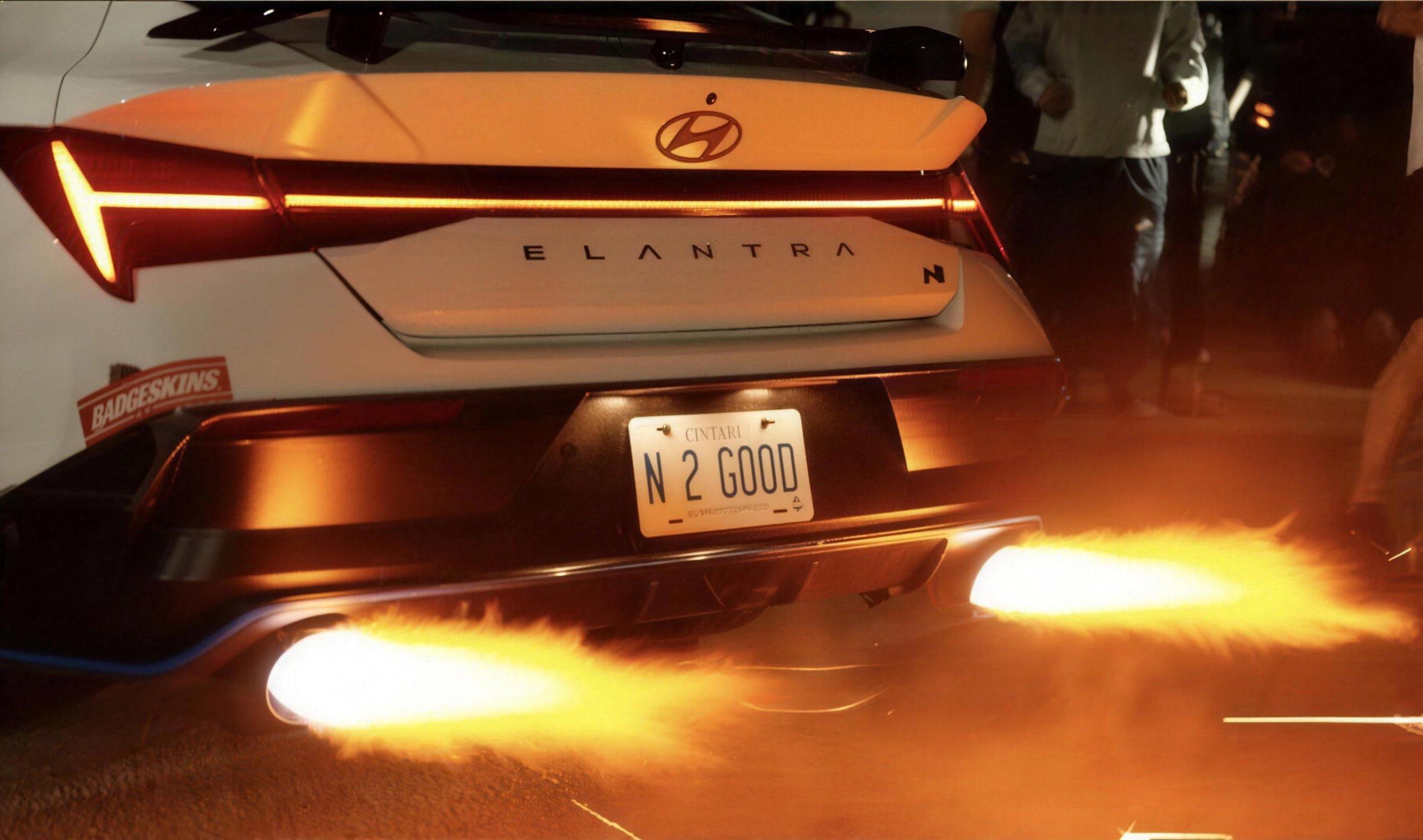
  • An Elantra N with flames from both tipsTuning

    Pops and bangs tune vs flame kit

    Both make noise and fire, but differently. A pops-and-bangs tune is random; a flame kit is on command. Which one suits what you want.

    · 2 min read